


Roof Lifting Services in India: Process, Benefits, Cost & When You Need It
With rapid urban growth and limited land availability, homeowners and property owners in India are increasingly looking for smart ways to expand their buildings without demolition. Roof lifting services offer a practical and engineering-driven solution by allowing existing roofs to be raised safely, creating space for additional floors or increasing ceiling height. This method preserves the original structure while saving time and cost.
What Are Roof Lifting Services?
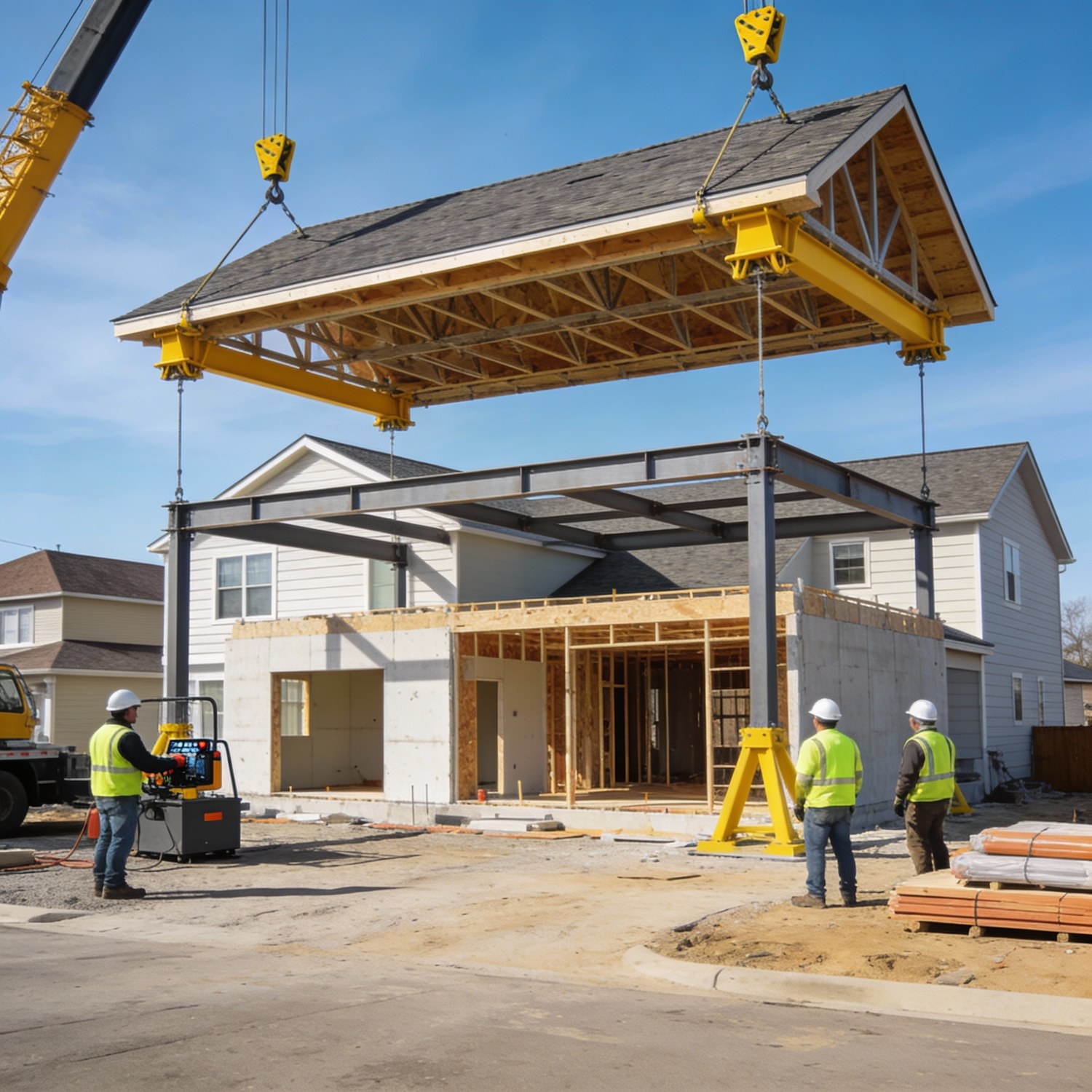
Roof lifting is a structural engineering process in which the existing roof slab (RCC roof) of a building is lifted to a higher level using hydraulic jack technology. Once lifted, additional columns or floors can be constructed beneath it. This approach is commonly used in residential houses, commercial buildings, and institutional structures.
Roof lifting services are ideal for RCC buildings where vertical expansion is required without dismantling the existing roof.
When Do You Need Roof Lifting Services?
Roof lifting becomes the right solution in several situations, such as:
Adding an extra floor to an existing building
Increasing ceiling height for better ventilation
Modifying building height due to new regulations
Strengthening old structures before expansion
Upgrading buildings without full reconstruction
Instead of breaking the roof and rebuilding, roof lifting offers a cleaner and more efficient alternative.
The Roof Lifting Process Explained
Professional roof lifting services follow a systematic and safe procedure:
Structural Inspection & Feasibility Study
Engineers assess the building’s foundation, column strength, roof load, and soil condition.
Engineering Design & Planning
A customized lifting plan is prepared, including lifting height, jack placement, and safety controls.
Installation of Hydraulic Jacks
High-capacity hydraulic jacks are installed at load-bearing points below the roof slab.
Controlled Roof Lifting
The roof is lifted slowly and uniformly to avoid cracks, vibration, or stress on the structure.
Column Extension & Floor Construction
Once lifted, columns are extended and new structural elements are constructed beneath the roof.
Final Stabilization & Safety Check
The structure is permanently secured and inspected for alignment and stability.
This controlled process ensures zero damage and long-term safety.
Benefits of Roof Lifting Services
Roof lifting offers several advantages over traditional reconstruction:
No demolition of existing roof
Cost-effective compared to rebuilding
Time-saving construction method
Preserves the original building structure
Reduces construction waste
Suitable for occupied buildings (subject to assessment)
These benefits make roof lifting a preferred choice for vertical expansion in urban areas.
Safety and Engineering Precision
Roof lifting is a highly technical operation that requires precise calculations and professional execution. Improper lifting can compromise the building’s stability. That is why experienced engineers use synchronized hydraulic systems, continuous monitoring, and strict safety protocols throughout the process.
Choosing a professional roof lifting service provider is critical to ensure safe and successful results.
